How Local Art Scenes Influence Community Identity
The vibrant tapestry of a community is often woven through its local art scene. This article explores how the arts not only enrich individual lives but also shape collective identities, fostering a sense of belonging and pride among residents.
Understanding the Role of Art in Community Identity
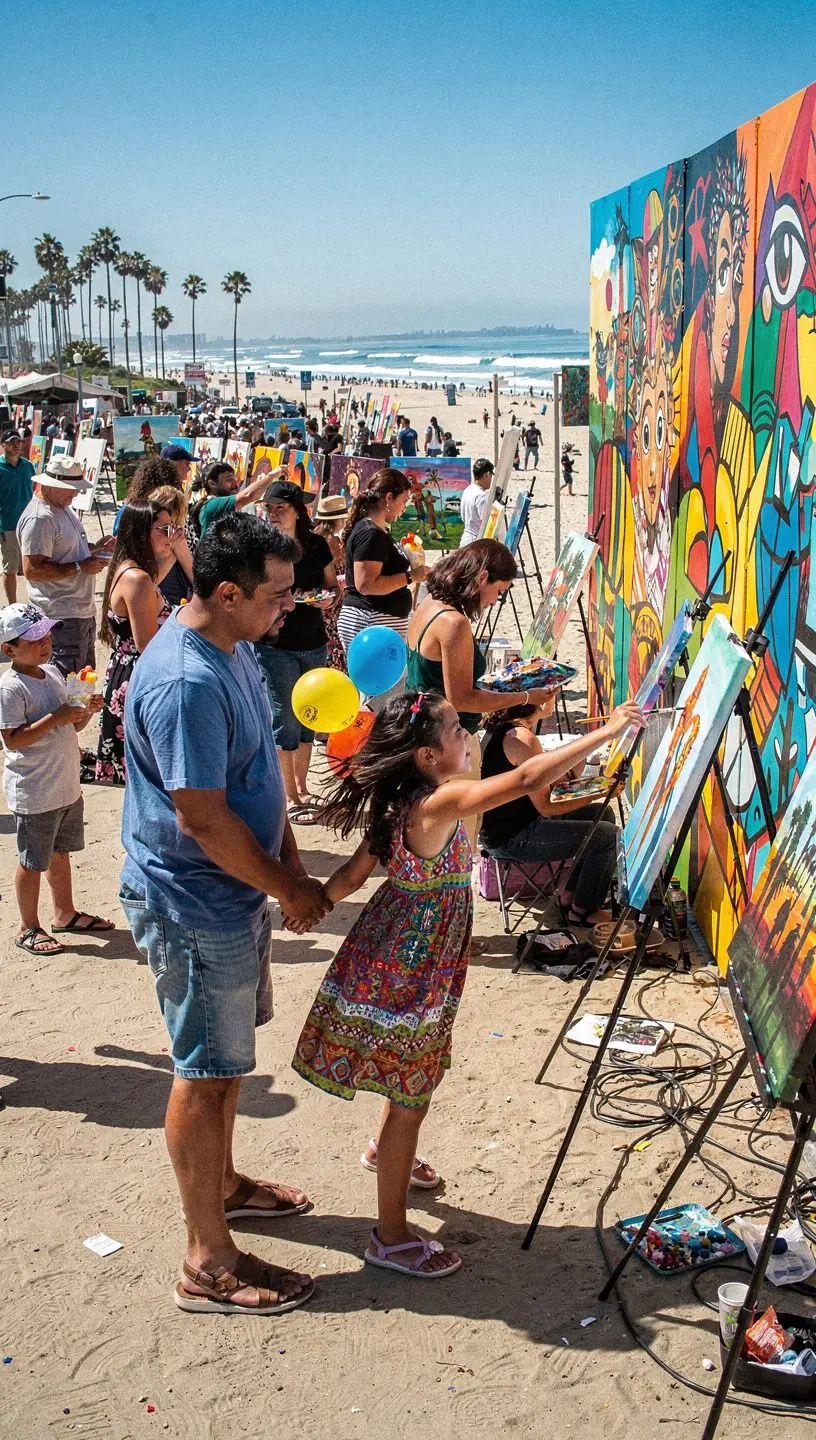
Local art scenes encompass a range of expressions, from street murals to gallery exhibitions, which collectively contribute to a community's identity. Studies show that communities with active art cultures typically experience stronger social cohesion and engagement. This connection occurs because art reflects shared values, histories, and aspirations, creating a dialogue among residents.
"Art is not a thing, it is a way." - Elbert Hubbard
The Benefits of a Thriving Art Community
- Enhanced Civic Engagement: Research indicates that communities with robust arts programs often see increased participation in civic activities. Residents are more likely to attend local meetings, volunteer, and engage in community improvement projects.
- Increased Economic Opportunities: Many local economies benefit from a thriving art scene, as galleries and art events can attract tourism. According to the Canadian Arts Coalition, the arts contribute significantly to the economy, with every dollar spent on arts activities generating $1.36 in revenue.
- Strengthening Cultural Identity: Local artists often draw inspiration from their surroundings, which helps preserve and promote cultural narratives. This process fosters a sense of pride and belonging, especially among younger generations.
Challenges Faced by Local Art Scenes
While the benefits of an active art community are considerable, challenges do exist. Funding remains a critical issue; many art organizations rely on grants and donations, which can be unpredictable. Additionally, gentrification often poses a threat to local artists, as rising costs can push them out of the neighborhoods that inspired their work. The importance of community support, therefore, cannot be overstated.
How to Support Your Local Art Scene
Engaging with the local arts can take various forms, each requiring different levels of commitment:
- Attend Local Events: Participate in arts festivals, gallery openings, or performances. This engagement not only supports the artists but also connects you with fellow community members.
- Promote Local Artists: Share their work on social media or recommend local galleries to friends. This can significantly boost visibility for emerging talents.
- Participate in Workshops: Many artists offer workshops that allow community members to learn new skills while creatively expressing themselves. This involvement often deepens personal connections to the art.
Conclusion
Local art scenes are more than just platforms for creativity; they serve as vital threads in the fabric of community identity. By recognizing the value that art brings to our neighborhoods, we can cultivate environments that celebrate creativity and foster connections among residents. Supporting local artists and engaging with the community can lead to meaningful transformations, enriching both individual lives and the broader society.