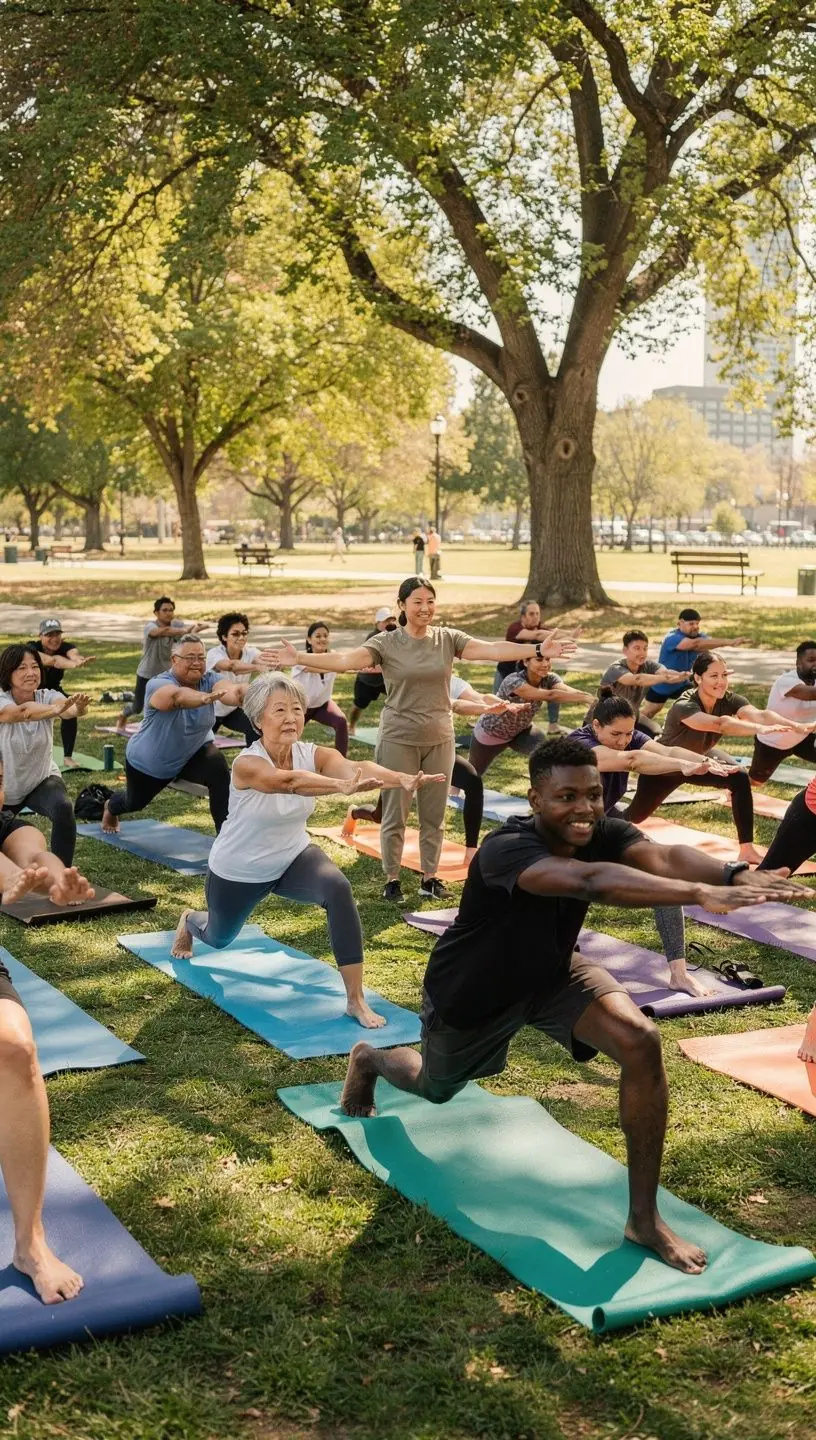
The Evolution of Wellness Trends in Urban Areas
As urban living evolves, so do the wellness trends that shape our lifestyles. This article explores how wellness practices have changed in cities across Canada, highlighting emerging trends and the factors driving these shifts.
Understanding the Shifts in Wellness Trends
In recent years, wellness has transcended traditional notions of health, encompassing physical, mental, and emotional well-being. This broadening perspective is often reflected in urban settings, where space and time are at a premium. Many experts suggest that urbanization has prompted a need for wellness practices that are not only effective but also easily integrated into busy lifestyles.

"The modern urban dweller seeks wellness solutions that fit seamlessly into their daily routines, making convenience a key factor in the evolution of wellness trends."
Key Trends Shaping Urban Wellness
- Mindfulness and Meditation: Research indicates that mindfulness practices can lead to reduced stress levels and improved focus. Many users report dedicating just 10-15 minutes daily to meditation, which can yield significant benefits over time.
- Fitness on-the-go: With busy schedules, urban residents are increasingly gravitating toward fitness solutions that require minimal time commitment. Many programs now offer short, high-intensity workouts that can be completed in under 30 minutes, catering to the active lifestyle of city dwellers.
- Nutrition Awareness: According to studies, urban areas are seeing a rise in plant-based diets and clean eating practices. Grocery stores and restaurants are adapting to this trend by offering more organic, locally-sourced, and plant-based options.
The Role of Technology in Wellness
Technological advancements have played a crucial role in the evolution of wellness trends. Mobile apps for fitness tracking and meal planning have become increasingly popular, making it easier for individuals to manage their health. Experts recommend utilizing these tools, as they often provide personalized insights and can help users stay accountable.
Acknowledging Limitations
While these trends are promising, it’s important to acknowledge their limitations. For instance, incorporating mindfulness into daily life may require consistent practice, typically taking a few weeks before individuals notice substantial changes in their mental well-being. Additionally, adopting a new fitness routine or diet can involve a learning curve and dedication.
Conclusion
The evolution of wellness trends in urban areas reflects a growing awareness of the importance of holistic well-being. By understanding these shifts and the underlying factors, individuals can better navigate their wellness journey. As always, it's beneficial to approach these trends with an open mind and a commitment to personal growth.